Thinking Clearly, Together #00
Why learning how to have better disagreements matters now - more than ever


It’s becoming harder to have conversations that actually go somewhere.
Across politics, technology, social issues, and even workplace discussions, disagreement seems to escalate faster and resolve less often. We argue more but understand less. Positions harden quickly and too many conversations go from figuring things out together to defending a side.
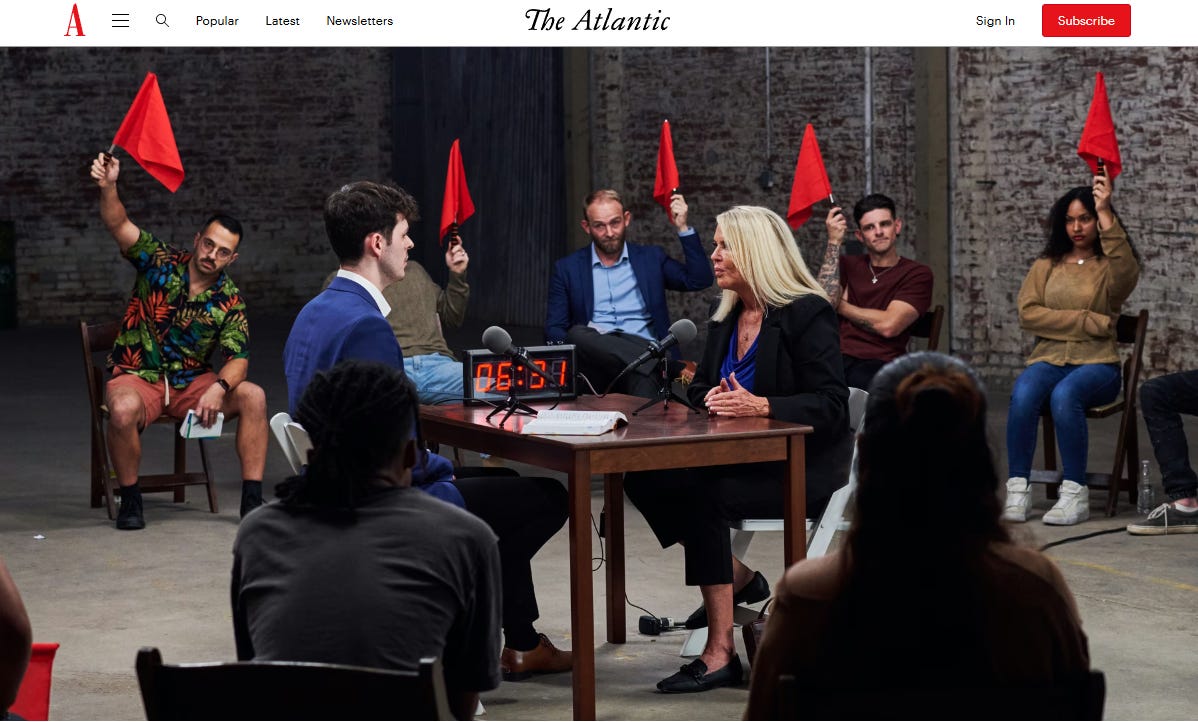
Why Learning To “Argue” Better Matters
This isn’t just anecdotal. The Edelman Trust Barometer , an annual global survey that measures public trust, has shown deepening polarization across societies, with a growing number of people believing ideological divisions are so extreme they resemble a kind of cold civil war. In a 2025 survey “4/10 of participants surveyed would approve of one or more of the following actions: attacking people online, intentionally spreading disinformation, threatening or committing violence, damaging public or private property”
At the same time, the problems we are arguing about - climate transitions, AI and jobs, inequality, governance - are becoming more complex, uncertain, and interconnected.
This creates a mismatch: we need better collective thinking just at the time when our ability to disagree well is weakening.
The challenge is if we can’t evaluate claims carefully, understand opposing perspectives charitably, and reason together under uncertainty, even well-intentioned movements risk becoming polarized or ineffective in driving real change

Disagreement Isn’t Necessarily A Problem

How we disagree is.
Disagreement itself is not a failure. In many cases, it’s a signal that something important is at stake: Be it our values, beliefs or priorities.
The problem is that our default habits often turn disagreement into a dead end:
Complex issues get flattened into binary positions
Confidence (and VOLUME📢!) gets mistaken for correctness
We argue about conclusions without examining assumptions
Arguments become performances rather than inquiries
When this happens, conversations generate a lot of noise & heat with minimal insight, people retreat into camps and opportunities for learning (or change) disappear.
From “Arguing Better” to Thinking Together

On that note, I am glad to share that I am running a mini-series of virtual workshops called Thinking Clearly, Together for the Humanist Society of Singapore.

This starts from a simple but important reframing:
The goal isn’t to become better debaters and to dominate the opposition. It’s about becoming better sense-makers, together.
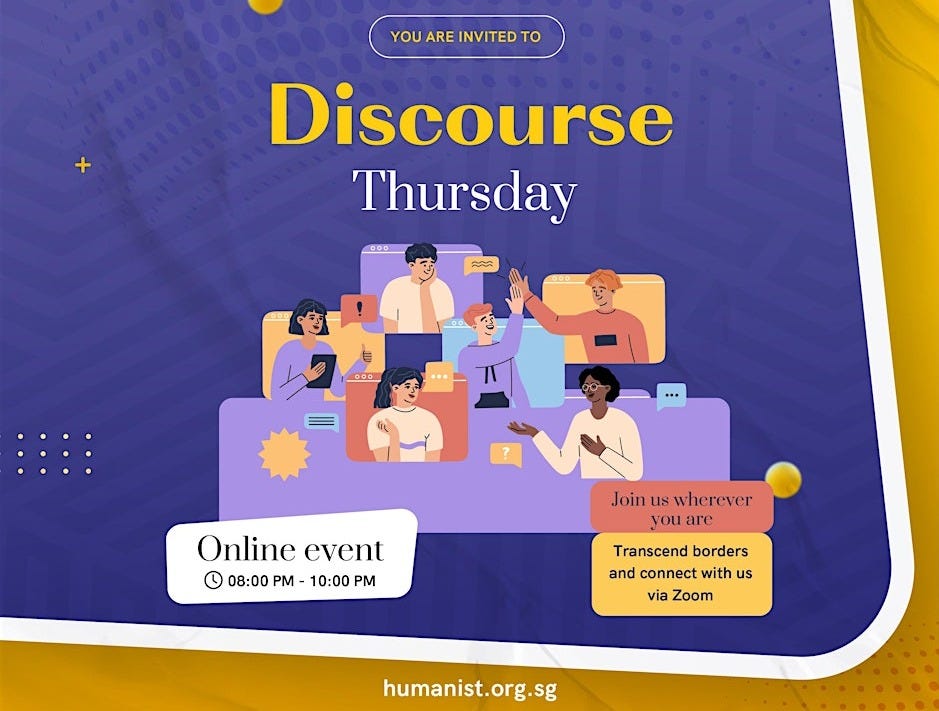
Over the four interactive workshops from Feb to May 2026, we’ll learn practical thinking tools to improve how we reason and better engage with perspectives that we might not necessarily agree with:
These tools matter because they externalize thinking - they give us something to examine, question, and improve together.
The key pivot is moving shift from “How do I win this argument?” to questions like:
What exactly are we disagreeing about — facts, interpretations, values, or prescriptions? (RISA Framework)
What is the underlying claims being disputed and supporting evidence ? (Toulmin Argument Model)
What assumptions are we making without noticing? (Ladder of Inference)
What might a reasonable person on the other side be seeing that I’m missing? (Rogerian Argument Model)
What patterns and structure underlie recurring conflicts (Systems Thinking)
Why Thinking Tools Help But Also Why They’re Not Enough

When used properly, these thinking tools help us move from individual habits to dialogue and then to collective sense-making and action-taking.
This isn’t just about how we navigate disagreement with others but also how we formulate our views when we read the news or interpret research or discuss key topics that matter to us.
Unfortunately, tools alone are not sufficient.
In a media environment shaped by misinformation, rage-bait, deepfakes, and algorithmic amplification even good frameworks can be misapplied.
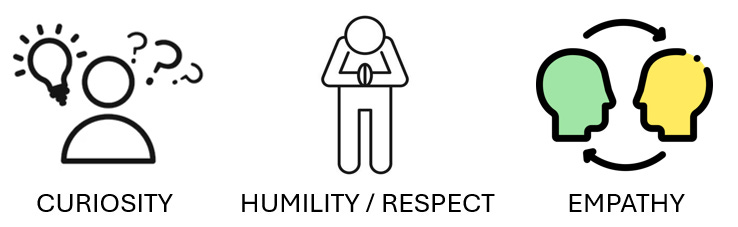
What ultimately determines the quality of disagreement are the underlying values we bring to it: curiosity, humility, respect, and empathy.
An Invitation…
If you’ve ever felt frustrated by conversations that go nowhere - online or offline and you care about changing minds (including your own), rather than scoring points, I invite you to join the upcoming session next month here → Humanist Society Singapore - Discourse Thursday - Thinking Clearly Together
And even if you don’t attend, I hope you’ll follow along and share your reflections. Because better thinking doesn’t happen alone.
It happens together.